


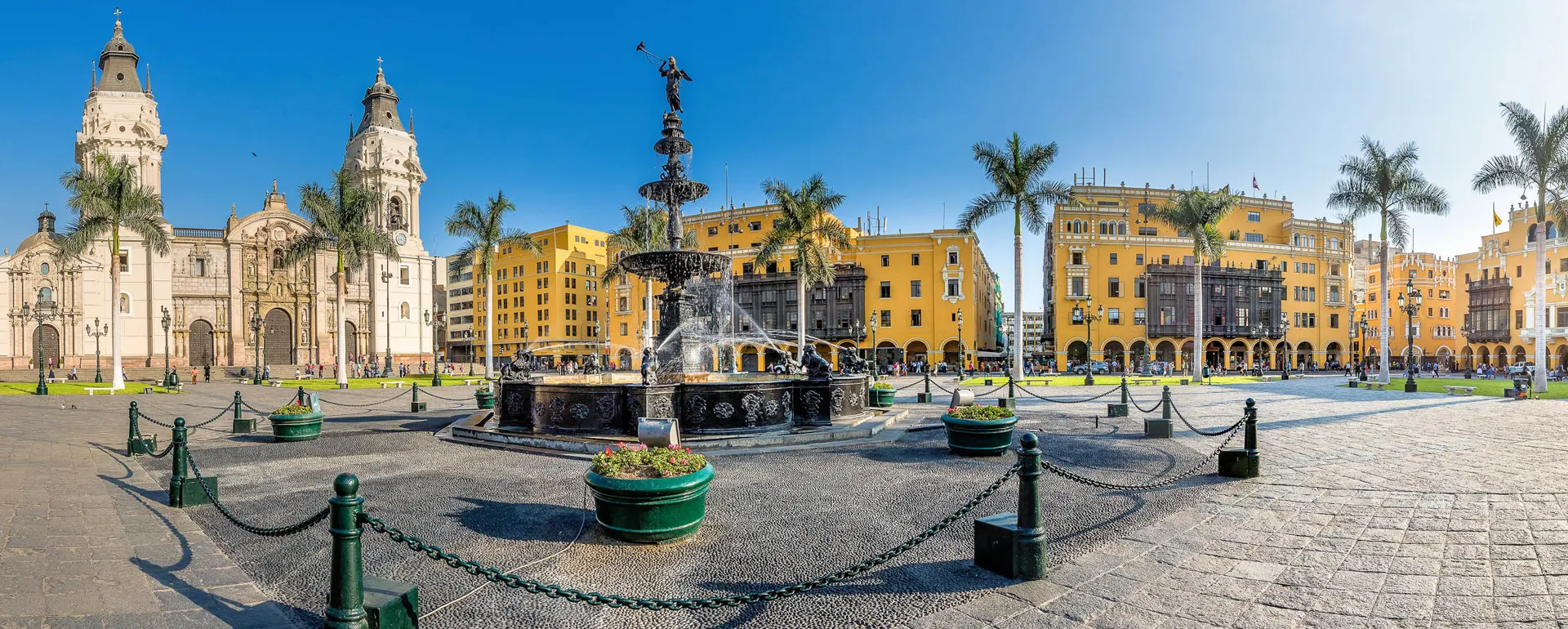
Lima is a sprawling metropolis of over ten million inhabitants where pre-Inca sacred adobe pyramids and Spanish viceregal courtyards coexist with dynamic culinary enclaves and sleek coastal districts. However, navigating Peru capital smoothly and safely requires practical local know-how: from mastering transit corridors between downtown and Miraflores to smart currency exchange, utilizing verified ride-hailing services, and packing appropriately for the peculiar coastal climate.
01 City Geography and Orientation: Best Districts to Stay and Navigate
Lima sprawls for over 80 kilometers along Peru coastal desert fronting the Pacific Ocean. For first-time visitors, grasping the city district layout is the essential first step toward a seamless stay. Premier tourist, dining, and hospitality districts concentrate along the central-south coastline: Miraflores, San Isidro, and Barranco.
These three districts concentrate the highest density of quality boutique hotels, acclaimed restaurants, patrolled green spaces, and direct transport links toward Historic Downtown Lima. Navigating the capital via organized half-day tours in Lima ensures comfortable sightseeing without metropolitan traffic stress or parking concerns.
Lima Three Primary Tourist Districts
Miraflores: Dynamic shopping at Larcomar, scenic oceanfront boardwalk parks, and rich dining.
San Isidro: Elite financial and embassy enclave featuring the peaceful 400-year-old Olive Grove.
Barranco: The bohemian artistic neighborhood famed for the Bridge of Sighs, Belle Époque mansions, and pisco bars.
02 Money in Peru: Soles, Credit Cards, Tipping & Safe Currency Exchange
The official national currency is the Peruvian Sol (PEN / S/). While US Dollars are widely accepted in major hotels and upscale shops, local currency is essential for everyday purchases:
Carry Small Cash Banknotes
Keep S/ 10, S/ 20 notes and coins for short taxi rides, artisanal markets, and tips. Larger S/ 100 or S/ 200 notes are often difficult to break at small neighborhood shops.
Contactless Cards Accepted Everywhere
Visa and Mastercard are accepted universally via contactless POS terminals across restaurants, cafes, supermarkets, and pharmacies. American Express is accepted mostly in luxury venues.
Official Exchange Houses (Casas de Cambio)
Exchange currencies at registered formal storefronts along Larco Avenue in Miraflores or inside banks. Avoid exchanging money with informal street brokers.
03 Getting Around Lima: Metropolitano Bus Rapid Transit vs. Ride-Hailing
Peak-hour traffic in Lima can be challenging. Choosing the best transportation mode saves substantial transit time:
| Transit Option | Main Advantage | Estimated Cost | Traveler Recommendation |
|---|---|---|---|
| Private Tour with Lima Tour Perú | Private chauffeur, air-conditioned van, and certified guide | Included in tour package | Safest and most stress-free way to explore the capital |
| Ride-Hailing Apps (Uber, Cabify) | Pre-set pricing, automated credit card charge, real-time GPS tracking | S/ 15 to S/ 35 between central districts | Best option for independent evening rides and dinners |
| Metropolitano Dedicated Busway | Bypasses traffic jams via separate dedicated bus corridor | S/ 3.20 per ride (rechargeable smart card S/ 4.50) | Links Miraflores to Historic Downtown in just 25 minutes |
| Informal Street Hail Taxis | Immediate availability on street corners | Negotiated fare prior to boarding | Not recommended for international tourists due to safety |
04 Lima Climate: Coastal Overcast, Winter Fog and What to Wear
Lima climate is temperate yet distinct: the city never experiences tropical torrential downpours or sub-zero freezes, but ocean conditions create two distinct seasons:
Coastal Summer (December through April)
Warm & SunnyBright sunny skies with daytime highs from 24 °C to 29 °C (75 °F - 84 °F). Breathable cotton clothing, sunglasses, and high-SPF sunscreen are essential along boardwalk parks.
Overcast Winter & Garúa Fog (June through October)
High Humidity & Grey SkyThe classic coastal overcast fog layer accompanied by fine misty drizzle (garúa). Temperatures range from 14 °C to 17 °C (57 °F - 63 °F), with humidity exceeding 90%.
Layered Dressing Recommendation
Recommended WardrobeAlways carry a light windbreaker or cardigan for brisk ocean breezes that pick up in the late afternoon, alongside sturdy closed shoes for cobblestone walking tours.
05 Vital Health Protocols, Safety Measures and Emergency Contacts
To ensure a safe and worry-free holiday in Lima, keep these simple health and security guidelines in mind:
Tap water in Lima is suitable for brushing teeth but not for direct drinking. Always consume sealed bottled mineral water (con gas or sin gas).
Avoid walking absentmindedly while looking down at your phone along crowded curbsides or holding it out of open car windows at traffic lights.
Service tips are not automatically included by law on dining bills. The customary social etiquette for good service is leaving 10% in cash or added to the card.
National Police: 105 | Tourism Police (POLTUR): (01) 460-1060 | Fire & Rescue: 116 | Medical SAMU: 106.
06 Frequently Asked Questions about Practical Tips in Lima
What are the safest and most recommended districts to stay in Lima?
Miraflores, San Isidro, and Barranco are the most recommended districts for tourists. They provide superior municipal security (serenazgo and tourism police), vast hotel options, and oceanfront proximity.
Can you drink tap water directly in Lima?
Direct tap drinking is not recommended for international visitors. Although treated at source, city plumbing can vary, making sealed bottled water the safest choice to avoid traveler stomach upsets.
How does taxi payment work in Lima: meters or apps?
Lima taxis do not use meters. Street taxis require bargaining fares before getting in. For safety and transparent pricing, using ride-hailing apps like Uber or Cabify, or booked private transfers, is strongly advised.
What are the standard business and restaurant hours in Lima?
Shopping malls and retail shops operate daily from 10:00 AM to 10:00 PM. Lunch is typically served from 12:30 PM to 4:00 PM and dinner from 7:30 PM to 11:00 PM. Most museums close on Mondays.
Is a power plug adapter needed for traveling to Lima, Peru?
Electrical voltage in Peru is 220V at 60Hz. Most modern wall outlets are universal Type A/C sockets accepting flat US prongs and round European pins. Ensure your electronics support dual 100-240V voltage.